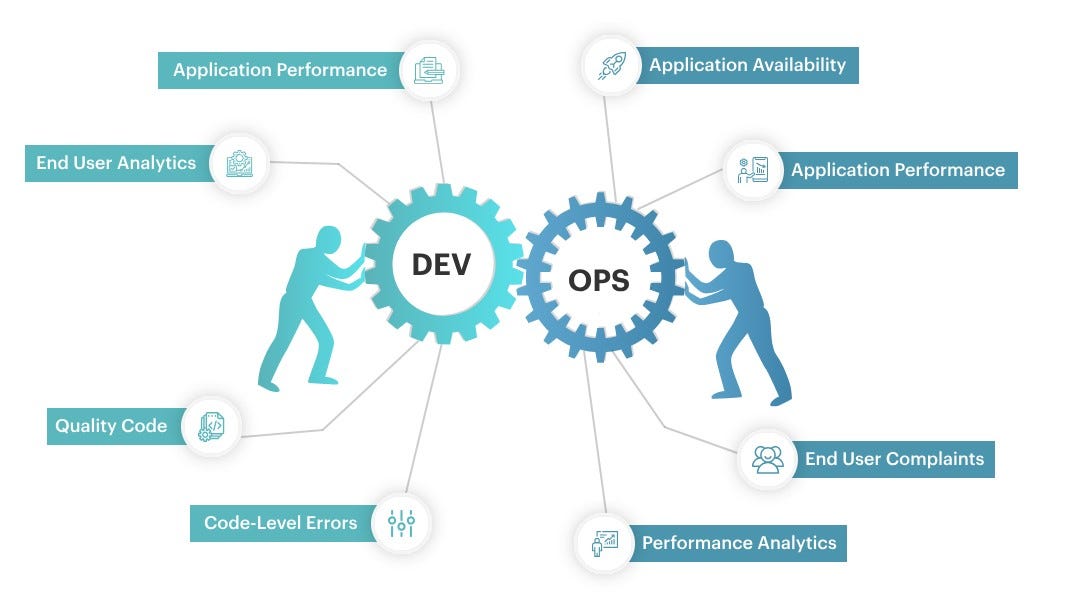

Microservices Architecture: Benefits and Implementation
Microservices architecture has emerged as a popular approach for building scalable, maintainable applications. By breaking down monolithic applications into smaller, independent services, organizations can achieve greater flexibility, faster deployment cycles, and improved fault tolerance. This article explores the benefits, challenges, and best practices for implementing microservices.
In today's rapidly evolving technological landscape, organizations must adapt quickly to remain competitive. The integration of advanced technologies and strategic planning has become essential for sustainable growth and operational excellence.
Key considerations include scalability, security, user experience, and return on investment. Organizations that successfully navigate these challenges often see significant improvements in productivity, customer satisfaction, and market position.
Implementation requires careful planning, stakeholder alignment, and change management. Best practices include thorough assessment, phased rollouts, comprehensive training, and continuous monitoring and optimization.
Success metrics should be established early and monitored throughout the implementation process. Regular evaluation and adjustment ensure that objectives are met and value is maximized.
Looking ahead, emerging technologies and evolving business requirements will continue to shape how organizations approach these challenges. Staying informed about industry trends and maintaining flexibility in approach will be crucial for long-term success.